Free Scholarship Help — Call 9090171704 Today

MIMA Institute of Management Pune

MIMA Pune Admission 2026: Fees, Placements, Scholarships & ROI

Private University
Boys, Girls
Estd 2005
Pune, Maharashtra
MIMA Institute of Management Pune - Quick Facts
Quick Facts Snapshot
• Fees: INR 6.70 lakh – INR 7.65 lakh for PGDM programs.
• Admission: Entrance score, GD/PI, and profile-based selection.
• Placement: Avg INR 7.50 LPA | Highest INR 18 LPA.
• Best For: Students seeking specialized PGDM
• Admission: Entrance score, GD/PI, and profile-based selection.
• Placement: Avg INR 7.50 LPA | Highest INR 18 LPA.
• Best For: Students seeking specialized PGDM
• Overall Value: Balanced ROI with practical training and placement support.
Quick Facts
Overview
MIMA Institute of Management Pune runs PGDM programs in Business Administration, Pharmaceutical Management, and Agri-Business for students preferring specialization-based management education instead of generic MBA formats. Positioned as a private institute focused on recruiter interaction, internship-driven learning, and outcome-based management education, the MIMA Institute of Management Pune admission process combines entrance scores, interviews, and profile evaluation while the MIMA Institute of Management Pune fee structure stays below many premium private campuses and placements reflect stable company participation. Learning includes live projects, presentations, internships, business simulations, and case-based assignments instead of lecture-heavy teaching alone. Reality check: placement outcomes rise sharply for students actively participating in internships, presentations, and interview preparation activities.
Key Highlights:
- Pharma and agri-business tracks create clearer sector alignment than many generic PGDM formats.
- Admission rounds combine entrance exams with communication and interview assessment.
- The tuition range falls within the mid-level private PGDM category.
- Placement preparation includes aptitude sessions, mock interviews, and company interaction rounds.
- Pune location supports internship access and corporate connectivity.
- Better fit for employability-focused applicants than prestige-driven MBA seekers.
Courses and Fees
The institute keeps its academic portfolio compact instead of running multiple unrelated management programs, which gives stronger focus to sector-based PGDM learning. Programs include Business Administration, Pharmaceutical Management, and Agri-Business Management with classroom activities built around internships, presentations, simulations, and live projects. The MIMA Institute of Management Pune MBA fees remain lower than many heavily branded private management schools, making the fee structure easier to recover through early-career salaries. International interaction activities and corporate assignments are also included during the academic cycle.
PGDM
- Course Type: Diploma
- Accepted Entrance Exams: MAT, XAT, CAT, CMAT, ATMA, MAH CET
PGDM - Specialization |
|||
|---|---|---|---|
Specialization |
Eligibility |
Fees |
Explore |
| Business Administration | 50% in Graduation + Entrance Exam Score | INR 7.65 Lakh |
|
| Pharmaceutical Management | 50% in Graduation + Entrance Exam Score | INR 6.7 Lakh |
|
| Agri Business Management | 50% in Graduation + Entrance Exam Score | INR 6.7 Lakh |
|
Admission Process
Admission at MIMA Institute of Management Pune is open to graduates meeting the required eligibility criteria along with a valid management entrance score. The selection process combines academic profile, communication quality, and interview performance instead of depending only on percentile cut-offs. Accepted exams include CAT, XAT, MAT, CMAT, ATMA, and MAH CET for PGDM admission. The institute admission procedure appears more accessible than highly competitive MBA campuses, though stronger communication ability still improves final conversion chances during interviews and selection rounds.
Admission Steps:
Step 1: Fill the application form through online or offline mode.
Step 2: Pay the application fee of INR 1,000 and submit required documents.
Step 3: Submit a valid score from MAT, XAT, CAT, CMAT, ATMA, or MAH CET.
Step 4: Attend the Group Discussion or Personal Interview if shortlisted.
Step 5: Complete admission confirmation after selection.

Cut-Offs & Admission Trends
The institute follows a flexible admission pattern instead of maintaining extremely high percentile barriers for PGDM entry. Selection reflects entrance performance, graduation profile, communication ability, and interview confidence together. Accessibility remains broader compared with highly brand-driven MBA institutes, especially for applicants carrying balanced academic backgrounds. Reality check: average entrance scores alone rarely secure final selection because interaction rounds hold noticeable importance during admission evaluation. According to recent admission updates, the college continues attracting students seeking sector-specific management education with manageable tuition levels.
Placements
MIMA Institute of Management Pune placements are connected mainly with banking, FMCG, retail, pharmaceuticals, finance, and business services sectors. Recruiters hire for marketing, business development, operations, banking support, client acquisition, and sector-linked management roles depending on specialization background. Students receive placement assistance through structured training, aptitude preparation, resume sessions, internships, mock interviews, and presentation activities during the academic cycle. Reality check: salary outcomes differ significantly between highly active students and candidates relying only on classroom attendance. ROI is moderate to good, with average payback in 1–2 years depending on profile.
ROI Analysis
The overall investment works best for applicants aiming at quicker entry into operational business roles rather than long-term brand prestige. High ROI if candidates actively use internship exposure, interview preparation, and specialization alignment during the PGDM journey. Moderate ROI if salary outcomes remain near the average compensation band. Low ROI if corporate interaction opportunities and placement preparation sessions are ignored throughout the course. The fee recovery timeline usually stays shorter for candidates entering sales, finance, or pharma-linked functions soon after graduation.
Accreditations & Rankings
The PGDM programs hold AICTE approval, giving the institute formal recognition for management education delivery. According to recent ranking disclosures, the college received positions from Outlook, IIRF, Times of India, and The Week across management education categories. MIMA Institute of Management Pune ranking visibility places it within the private mid-tier PGDM segment rather than elite national MBA territory. That positioning suits applicants prioritizing employability, specialization alignment, and manageable academic cost instead of legacy-brand competition associated with premium campuses.
Campus & Facilities
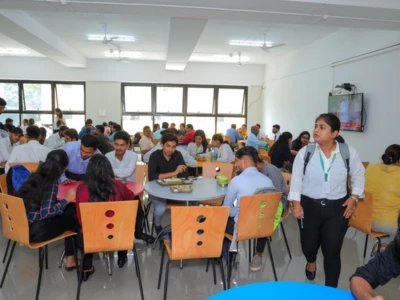
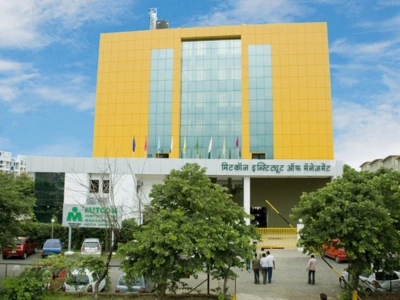
The campus environment feels compact and function-driven rather than highly residential or lifestyle-focused. Students receive access to classrooms, seminar halls, Wi-Fi support, computer labs, library resources, sports facilities, cafeteria areas, and placement activity spaces during the academic cycle. MIMA Institute of Management Pune hostel support works mainly through nearby accommodation partnerships instead of a dedicated residential setup. Reality check: applicants expecting luxury residential infrastructure may prefer larger fully residential management campuses elsewhere. According to institute disclosures, library access includes printed books, journals, and digital learning resources.




Career Outcomes
Graduates commonly begin careers in sales, business development, operations coordination, banking support, marketing execution, retail management, and sector-specific domains connected with pharma or agri-business. The academic model is built more around workplace readiness than theory-heavy management research. Activities such as presentations, business simulations, projects, and internship assignments help candidates adapt to entry-level corporate expectations faster. MIMA Institute of Management Pune PGDM review discussions often highlight employability support rather than luxury campus branding. Candidates expecting entrepreneurial incubation or research-driven academic culture may find the environment comparatively corporate-oriented.
Recruiters
Corporate participation includes companies from consumer goods, pharmaceuticals, banking, retail, manufacturing, and financial services sectors. Recruiters such as Nestle, Axis Bank, ICICI Direct, Godrej, Berger Paints, GSK, and Reliance Retail hire for customer-facing, sales-driven, operations, and finance-linked business functions. The hiring ecosystem aligns more strongly with execution-oriented corporate roles than niche consulting profiles. That distinction matters because applicants expecting elite consulting pipelines may find the recruiter mix different from premium metropolitan MBA campuses. Reality check: specialization alignment usually improves interview conversion chances noticeably.
MIMA Institute of Management Pune vs Similar Colleges
MIMA competes more directly with application-driven private PGDM institutes than with elite IIM-style management schools. Compared with Indira Institute of Management Pune and RIIM Pune, it creates stronger differentiation through pharmaceutical and agri-business specialization tracks instead of relying only on generic MBA branding. The comparison becomes more relevant for applicants evaluating recruiter mix, tuition burden, specialization alignment, and salary recovery together. Reality check: small differences in ranking rarely change career outcomes unless specialization quality and placement alignment also support the target industry.
MIMA Pune Vs Indira Institute of Management Pune
MIMA Pune Vs RIIM Pune
Choose MIMA if sector-specific PGDM tracks and balanced fee-to-salary math matter more; choose a peer institute if broader brand pull or a different recruiter mix fits the target outcome better.
Is MIMA Institute of Management Pune the Right Fit in 2026?
This institute fits candidates who want a specialized PGDM, practical training, and a fee level that can generally be recovered without a long wait if placement outcomes stay near the average band. It is less suitable for applicants who are choosing mainly for elite-brand signaling or expecting a fully residential campus setup. The overall position is clear: balanced value for career-focused management students, with stronger fit for applied learners than prestige-first applicants. Reality check: the return improves when students target the specialization that matches their background.
Who is MIMA Institute of Management Pune Best Suited For?
Best suited for students seeking specialized PGDM learning with practical career focus.
- Fresh graduates aiming for early corporate entry.
- Applicants interested in agri-business or pharmaceutical management.
- Students comfortable with a mid-range private fee band.
- Candidates who value training, projects, and interview preparation.
- ROI-focused learners who want faster fee recovery potential.
Who May Have Different Priorities?
Not ideal for applicants whose first priority is elite-brand positioning or residential campus life.
- Students targeting only top-tier national brand pull.
- Applicants who want an in-campus hostel as a must-have.
- Candidates seeking a very wide program portfolio beyond PGDM focus.
- Students expecting outcomes without active interview and skill preparation.
Alumni
The alumni network includes professionals working across finance, business development, procurement, analytics, and management support roles in domestic and international markets. Alumni interaction activities commonly include workshops, networking sessions, mentorship conversations, and placement guidance discussions during the academic cycle. Graduates working in regions such as Canada, Australia, Dubai, Singapore, and Zambia reflect broader mobility across corporate sectors. The network appears more useful for practical career guidance and role awareness than for elite legacy-style corporate networking advantages typically associated with top-tier MBA institutions.
FAQs
Q: How is the overall fee structure at MIMA Institute of Management Pune?
Q: Is the fee structure at MIMA Institute of Management Pune considered affordable?
A: Compared with heavily branded private business schools, the academic cost remains more manageable. The value improves further when placement outcomes align with career expectations.
Q: Does MIMA Institute of Management Pune offer scholarships or financial support?
A: Scholarship visibility remains limited. Most financial support comes through education loan assistance and banking partnerships.
Q: Does MIMA Institute of Management Pune provide flexible payment or installment options?
A: Loan support and banking tie-ups help applicants manage the payment cycle more comfortably during the course duration.
Q: How can I apply for admission at MIMA Institute of Management Pune?
A: Applications can be submitted through online or offline mode along with academic records and entrance exam details.
Q: What is the admission process at MIMA Institute of Management Pune?
A: Selection combines entrance exam performance, graduation eligibility, communication quality, and interview evaluation during final screening.
Q: Which entrance exams are accepted by MIMA Institute of Management Pune?
A: The institute accepts CAT, XAT, MAT, CMAT, ATMA, and MAH CET for PGDM admission.
Q: Is entrance exam required for admission at MIMA Institute of Management Pune?
A: Yes, a valid management entrance score forms an important part of the admission route.
Q: Is interview part of the selection process at MIMA Institute of Management Pune?
A: Yes, shortlisted applicants attend discussion or interview rounds before final admission confirmation.
Q: How are placements at MIMA Institute of Management Pune?
A: Hiring support looks more execution-oriented than consulting-heavy. Sales, pharma, retail, and finance-linked opportunities appear more active across placement cycles.
Q: Which companies recruit from MIMA Institute of Management Pune?
A: Recruiters include Nestle, Axis Bank, ICICI Direct, Godrej, Berger Paints, GSK, and Reliance Retail.
Q: What kind of job roles are offered at MIMA Institute of Management Pune?
A: Graduates commonly enter marketing, business development, operations, banking support, finance assistance, and domain-linked management roles.
Q: Does MIMA Institute of Management Pune provide placement support?
A: Yes, placement preparation includes mock interviews, aptitude sessions, internships, presentations, and company interaction activities.
Q: What type of students benefit most from MIMA Institute of Management Pune?
A: Applicants seeking manageable tuition and specialization-led PGDM education usually gain the strongest value here.
Q: How is the PGDM program at MIMA Institute of Management Pune?
A: The PGDM structure stays more sector-linked than generic MBA formats. Pharma and agri-business tracks create clearer differentiation than many standard business programs.
Q: What specializations are offered in PGDM at MIMA Institute of Management Pune?
A: The institute offers Business Administration, Pharmaceutical Management, and Agri-Business Management specializations.
Q: Does MIMA Institute of Management Pune focus on practical learning in PGDM?
A: Yes, learning includes internships, presentations, business simulations, projects, and corporate assignments throughout the academic cycle.
Q: Is MIMA Institute of Management Pune worth the fees?
A: For applicants prioritizing employability and faster salary recovery, the investment appears more reasonable than many premium-fee private campuses.
Q: Can average students get placed at MIMA Institute of Management Pune?
A: Yes, although final outcomes depend heavily on communication ability, internship participation, interview readiness, and specialization alignment.
Q: Which specialization performs best at MIMA Institute of Management Pune?
A: Business Administration usually creates wider recruiter access, while Pharmaceutical Management suits healthcare-sector focused applicants more effectively.
Q: How strict is attendance at MIMA Institute of Management Pune?
A: Attendance expectations remain serious because classroom activities, presentations, and placement preparation sessions are closely connected.
Q: Does MIMA Institute of Management Pune have hostel facilities?
A: The institute supports nearby accommodation arrangements instead of maintaining a large residential hostel setup.
Q: How is campus life at MIMA Institute of Management Pune?
A: Campus life feels academically active with workshops, presentations, seminars, and project discussions shaping the student environment.
Q: Is MIMA Institute of Management Pune approved by AICTE?
A: Yes, the PGDM programs hold AICTE approval for management education recognition.
Q: Does MIMA Institute of Management Pune support internships and corporate interaction?
A: Yes, internship exposure and company interaction activities are integrated into the academic learning process.
Q: Is the Balewadi location beneficial for management students?
A: Yes, the Pune location supports internship access, commuting convenience, accommodation availability, and corporate connectivity.
Rating & Reviews
Rating breakdown
★
★
★
★
★
5
★
★
★
★
★
4
★
★
★
★
★
3
★
★
★
★
★
2
★
★
★
★
★
1

Refer more, Earn more with BoostMyTalent
Earn Up to ₹5000 Per Referral!
Unlock Unlimited Rewards — The More You Refer, the More You Earn!
Nearby Colleges






About this Guide
This guide has been researched and compiled by the BoostMyTalent Research Team. Our team includes education experts and data analysts who review official college disclosures and public data to ensure accuracy for students and parents. Learn more about our Methodology & Data Sources.